
Why Teachers Often Become Lifelong Mentors

Valerie Simpson of Fresno

Teachers occupy a unique place in society. While many professions influence people for a short period of time, educators often leave impressions that last decades. Valerie Simpson of Fresno has observed that long after students forget specific assignments, test scores, or classroom lectures, they frequently remember the teacher who encouraged them during a difficult moment, recognized their potential, or inspired them to believe in themselves. This enduring impact is one of the reasons teachers so often become lifelong mentors.

Mentorship is different from instruction. Instruction focuses on delivering information or developing academic skills, while mentorship involves guidance, emotional support, personal development, and long-term influence. Teachers naturally step into this role because they interact with students during some of the most formative years of life. In many cases, educators witness not only academic growth but also emotional, social, and personal transformation.

The Broader Role of Teachers in Students’ Lives

The relationship between teachers and students extends beyond textbooks and classroom lessons. A good teacher helps students understand the world, build confidence, and navigate challenges that may have little to do with academics. This broader influence is what often transforms teachers into mentors whose guidance continues well beyond graduation.

Time, Trust, and Deep Understanding

Unlike many adult figures, teachers interact with students consistently over months or even years. During that time, they observe strengths, weaknesses, fears, talents, and ambitions. This sustained interaction allows teachers to develop a deeper understanding of students as individuals rather than simply as learners completing assignments.

Students often spend more waking hours with teachers during the school year than with many other adults outside their families. Over time, trust develops naturally. When students feel understood and respected, they are more likely to seek advice about personal struggles, career decisions, and future goals. A teacher who listens carefully and responds thoughtfully can become a stabilizing presence in a student’s life.

Building Student Confidence and Self-Belief

Many students experience moments of doubt, insecurity, or fear about their abilities. A single encouraging comment from a teacher can permanently change how a student views themselves. Students frequently remember educators who told them they were capable when they doubted their own potential.

For some young people, teachers may be the first adults to recognize hidden talents. A shy student may discover confidence through encouragement in writing or public speaking. A struggling learner may thrive because a teacher takes extra time to explain difficult concepts. Someone facing personal hardship may stay motivated because a teacher consistently shows patience and compassion.

These moments may seem small at the time, but they often become defining memories. Adults regularly recall teachers who changed the trajectory of their lives simply by believing in them. In this way, mentorship emerges not through dramatic gestures but through steady support and genuine attention.

Teachers as Role Models of Character and Behavior

Teachers also become mentors because they model behaviors and values students admire. Young people observe far more than academic instruction. They notice how teachers handle stress, resolve conflict, communicate respectfully, and treat others fairly. Educators who demonstrate integrity, empathy, and resilience provide students with examples of adulthood that can shape character development.

This modeling effect is especially important during adolescence, a period when students are forming identities and searching for direction. Teachers who demonstrate professionalism, curiosity, and compassion may inspire students to adopt similar attitudes in their own lives. In many cases, students later realize that the values they carry into adulthood were reinforced by influential educators.

Supporting Students Through Personal Challenges

Mentorship often grows stronger when teachers support students during difficult periods. Many students face challenges outside the classroom, including family instability, financial hardship, mental health struggles, bullying, or social isolation. Teachers are frequently among the first adults to notice signs that a student is struggling emotionally or academically.

A compassionate educator who checks in with a student, offers encouragement, or provides stability during hard times can have a profound impact. Students may not always remember the details of classroom instruction, but they often remember the teacher who treated them with kindness during moments of vulnerability.

For students lacking consistent support systems elsewhere, teachers can become especially important mentors. Research has repeatedly shown that strong adult relationships improve student resilience, motivation, and long-term success. Even simple actions, such as remembering a student’s interests, attending extracurricular events, or asking thoughtful questions, can make students feel valued and supported.

Expanding Students’ Future Possibilities

Teachers also play a significant role in helping students envision future possibilities. Many young people are uncertain about career paths, college opportunities, or life goals. Educators often help bridge this gap by exposing students to new ideas, professions, and ambitions they may not have previously considered.

A science teacher might inspire a future engineer. An English teacher may encourage a student to pursue journalism or law. A history teacher could spark interest in public service or research. In many cases, teachers recognize potential before students fully recognize it themselves.

This guidance frequently continues long after formal education ends. Former students often return to teachers for career advice, recommendation letters, or personal guidance. Some maintain relationships for decades, sharing life updates, milestones, and accomplishments with educators who once helped shape their path.

Valerie Simpson Fresno CA

Mentorship in the Digital Age

Technology and social media have also changed the nature of long-term mentorship. In previous generations, students often lost contact with teachers after graduation. Today, former students can reconnect through professional networks, alumni groups, or online platforms. While professional boundaries remain important, many educators now maintain appropriate mentorship relationships that continue into adulthood.

Modern Pressures and the Growing Need for Mentorship

The mentorship role of teachers has become even more important in modern society due to increasing social and emotional pressures facing young people. Students today navigate academic stress, social media influence, economic uncertainty, and mental health challenges at levels many previous generations did not experience in the same way. Teachers are often among the most accessible trusted adults available to students during these transitions.

At the same time, mentorship is not always formally recognized as part of teaching responsibilities. Educators already manage demanding workloads that include lesson planning, grading, testing requirements, and administrative tasks. Yet many still invest additional emotional energy into supporting students personally. They stay after class to answer questions, write recommendations outside work hours, coach extracurricular activities, and encourage struggling students who need extra motivation.

This emotional investment is one reason teaching can be both deeply rewarding and emotionally exhausting. Teachers frequently carry concern for students beyond school walls. They celebrate student achievements and worry about students facing difficulties. The mentorship aspect of education requires empathy, patience, and emotional resilience.

The Qualities of Effective Mentors

It’s important to note that not every teacher automatically becomes a mentor. Students are most deeply influenced by educators who demonstrate authenticity and care. Mentorship develops through trust, consistency, and meaningful connection. Students can usually tell when a teacher genuinely wants them to succeed versus simply fulfilling professional obligations.

Great teacher-mentors often share several qualities. They listen carefully. They encourage critical thinking rather than demanding blind obedience. They challenge students while still offering support. They respect students as individuals with unique perspectives and abilities. Most importantly, they create environments where students feel safe to learn, fail, and grow.

Valerie Simpson Fresno California

The Ripple Effect of Teacher Influence

Many adults inspired by mentors later choose careers in education, healthcare, public service, or leadership because they want to provide similar guidance to others. In this way, the impact of one dedicated teacher can ripple outward for decades.

Stories about influential teachers appear across cultures and generations because mentorship through education is a nearly universal human experience. People may forget formulas, vocabulary lists, or historical dates, but they rarely forget educators who changed how they viewed themselves or their future.

In communities facing social or economic hardship, teacher mentorship can become even more significant. Educators may serve as role models, advocates, and sources of stability in environments where students encounter uncertainty or limited opportunity. A caring teacher can help students imagine futures beyond the limitations of their current circumstances.

Teaching as a Human Connection

Ultimately, teachers become lifelong mentors because education is fundamentally human. At its best, teaching is not simply the transfer of information but the development of people. Teachers help students discover abilities, overcome obstacles, and gain confidence in their capacity to succeed.

The lessons students remember most are often not academic at all. They remember patience during failure, encouragement during uncertainty, and kindness during difficult times. They remember teachers who believed in them before they believed in themselves.

That is why the influence of great educators rarely ends when a school year concludes. Long after classrooms are left behind, teachers continue shaping decisions, values, and aspirations. Their words echo through careers, relationships, and personal growth. Through mentorship, teachers become more than instructors – they become lasting guides whose influence continues throughout the lives of the students they once taught.
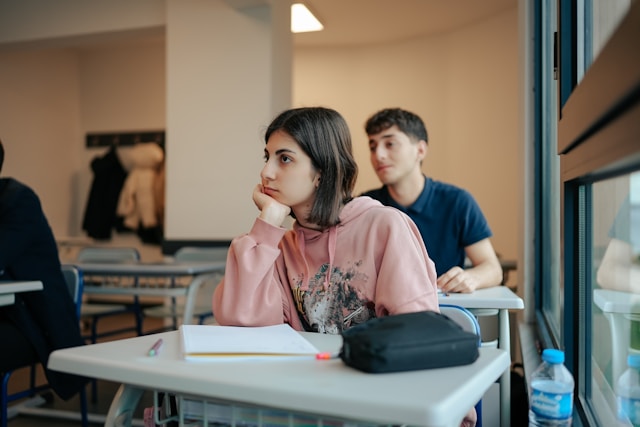

Strategies to Encourage Independent and Motivated Learners

Valerie Simpson of Fresno

In classrooms around the world, educators strive not only to teach content but also to inspire learners who can independently pursue knowledge with motivation and purpose. Independence and motivation are essential qualities that empower students to take ownership of their education, persevere through challenges, and apply learning beyond the classroom walls.

Cultivating these qualities requires intentional instructional design, supportive relationships, and opportunities for students to engage meaningfully with material in ways that are relevant.

In the following article, Valerie Simpson of Fresno, California explores practical strategies and evidence-based approaches that help educators foster independent, motivated students who are prepared to thrive both inside and outside the classroom.

The Power of Learner Autonomy

Educational research has accentuated the importance of fostering learner autonomy. According to a Gallup Student Poll, 25% to 54% of K-12 students feel they are lacking engaging school experiences. This highlights the urgent need for teaching strategies that build motivation from within rather than relying solely on external incentives.

Additionally, students who perceive themselves as active agents in their learning tend to achieve higher academically. Research indicates that student autonomy and self‑regulated learning are strongly correlated with improved academic outcomes, including better grades and deeper conceptual understanding.

Independence and Motivation

Motivation and independence are interconnected. Motivation is a drive that initiates, sustains, and directs behavior. Independent learning reflects the ability to set goals, monitor progress, and regulate action toward long‑term objectives.

When students feel both competent and confident in their capacity to guide their own learning, they are more likely to remain engaged and persistent, even when tasks become difficult.

Motivation can take different forms. Intrinsic motivation comes from the enjoyment and interest a student finds in learning itself, while extrinsic motivation is driven by external rewards or pressures.

Although extrinsic motivators like grades or competition can be effective in the short term, intrinsic motivation tends to be more lasting, fueling deeper engagement, curiosity, and self-directed learning.

Creating a Classroom Culture That Supports Agency

One of the foundational elements in encouraging independent and motivated learners is fostering a classroom culture where student agency is valued. Agency refers to students’ sense that they have influence over their learning and can make meaningful choices that matter to them. When students feel a sense of control, they are more likely to take ownership and persevere through obstacles.

Agency begins with student voice and choice. Instead of always assigning tasks with rigid parameters, educators can design learning activities that allow students to make decisions about how they will engage with content or demonstrate understanding. The common thread is that students feel a sense of ownership over the learning process.

Creating this culture also means developing classroom norms that encourage risk‑taking while viewing mistakes as part of the learning process. When students understand that struggle is a natural step toward mastery, they are more likely to remain motivated even when tasks are challenging.

Valerie Simpson Fresno, CA

Scaffolding Student Goal‑Setting and Self‑Regulation

Setting meaningful goals and learning to self‑regulate behavior are central to learner independence. Students who can set achievable goals, monitor their progress, and adjust their strategies when needed develop the cognitive habits of learners who take control of their educational path.

Effective goal‑setting begins with helping students articulate clear, measurable objectives. Instead of vague intentions, students are guided to define more specific goals. Educators provide tools like learning journals, check‑ins, and reflection prompts that help them monitor progress and make adjustments as needed.

Self‑regulation supports students in staying on track. Teaching self‑regulation includes helping students understand how to break tasks into smaller steps, manage frustration, and maintain focus. For example, introduce routines for planning work, tracking progress, and reflecting on outcomes. These practices help build habits of independence that extend beyond specific assignments.

Integrating Meaningful and Relevant Learning Experiences

Students tend to be more engaged and motivated when learning feels meaningful and connects to their interests, goals, or real‑world issues. Meaningful learning experiences invite students to explore questions that matter to them and apply knowledge in authentic ways.

Project‑based learning (PBL) is one instructional approach that supports this. In PBL settings, students work on extended, complex questions or problems and design solutions that have real‑world relevance. The authentic nature of projects, whether examining community issues, conducting scientific investigations, or creating multimedia presentations, taps into students’ intrinsic motivation to learn and contribute.

When students see the relevance of their learning to their lives and future aspirations, they are more likely to invest effort and persist through challenges.

Promoting Reflection and Metacognition

Reflection is another powerful strategy for building learner independence. Metacognition, or awareness of one’s own cognitive processes, enables students to assess their strengths, recognize challenges, and make informed decisions about the strategies they use to learn.

Teachers can promote reflection by building routine opportunities for students to pause and evaluate their learning. Prompts might ask students to consider what strategies worked well, what they found challenging, and what they might do differently next time. These practices help learners internalize academic habits and make the invisible processes of thinking visible.

Reflection is most effective when it becomes a regular part of classroom practice rather than a one‑time activity. Over time, students who engage in reflection begin to monitor their progress independently and adjust their approaches without adult prompting.

Valerie Simpson CA

Fostering a Growth Mindset and Resilience

Beliefs about learning influence motivation. Carol Dweck’s research on growth mindset – the belief that abilities develop through effort and effective strategies, offers insights into how mindsets shape academic engagement. Students with a growth mindset view challenges as opportunities to improve rather than threats to their self‑worth.

Feedback that acknowledges students’ hard work and specific strategies rather than vague praise reinforces the idea that learning is a process. This mindset supports motivation by reducing fear of failure and encouraging learners to embrace challenges as part of growth.

Building Supportive Teacher‑Student Relationships

When students feel respected, understood, and supported, they are more likely to take risks, engage deeply, and persevere through challenges. Strong student-teacher relationships create psychological safety – the sense that it’s okay to ask questions, make mistakes, and pursue personal goals.

Teachers build relationships by listening to students’ interests, acknowledging their feelings, and showing genuine care for their success. Consistent encouragement and thoughtful attention help students feel that their voice matters, which in turn increases engagement and motivation.

Leveraging Peer Collaboration and Classroom Norms

Collaborative learning encourages students to lead within peer group contexts. Working with classmates toward shared goals, learners practice communication, negotiation, and mutual support, all of which contribute to independent thinking and motivation. Group projects help students understand that individual contributions matter and that learning can be a shared journey.

Teachers guide collaboration by establishing norms that support respectful communication, shared responsibility, and equitable participation. These norms help students build confidence in their own abilities while appreciating the strengths of others.

Using Technology to Promote Autonomy

Technology, when thoughtfully integrated, can support independent learning by providing personalized pathways and immediate feedback. Online platforms and adaptive tools allow students to practice skills at their own pace, explore interests, and track progress independently. Digital portfolios provide a space to showcase growth over time and reflect on their work.

However, technology alone does not create motivation; it must be embedded within instructional practices that encourage reflection, goal-setting, and meaningful application.

Sustaining Motivation and Independence Over Time

Fostering independent and motivated learners is a long‑term endeavor that requires a holistic approach to instruction, relationships, and classroom culture. When students feel empowered to make choices and set meaningful goals, they are more likely to become self‑directed learners who persist through challenges.

When classrooms intentionally cultivate autonomy and intrinsic motivation, students not only perform better academically, but they also develop confidence, resilience, and a lifelong love of learning.

Strategies for Teaching Empathy, Self‑Regulation, and Resilience

Valerie Simpson of Fresno

Academic success is no longer measured solely by test scores and content mastery. Schools are recognizing that social‑emotional competencies, particularly empathy, self‑regulation, and resilience, are essential for students’ lifelong success. These skills help students navigate interpersonal challenges, adjust to change, cope with stress, and persevere through setbacks. They also positively influence classroom climate, reduce disciplinary issues, and improve academic performance.

Valerie Simpson of Fresno discusses below the benefits of social-emotional learning (SEL) in public schools and how developing these skills can support both academic success and student well-being.

The Measurable Benefits of Social-Emotional Learning in Schools

Schools that have implemented high‑quality SEL programming see an average 13% improvement in academic outcomes and reductions in emotional distress and conduct problems.

Teaching empathy, self‑regulation, and resilience doesn’t happen overnight. It requires intentional curriculum design, relationship building, and consistent practice. Educators must embed these strategies within daily instruction and interactions so that students experience growth not just intellectually, but emotionally and socially.

Why These Skills Matter

Before exploring specific instructional strategies, it’s important to understand what each of these competencies entails.

Empathy refers to the ability to understand and share the feelings of others. It is foundational to healthy relationships and helps students navigate interpersonal challenges with sensitivity and respect.

Self‑regulation involves managing emotions, thoughts, and behaviors in various situations. It encompasses skills such as impulse control, attention management, and the ability to pause and choose thoughtful responses instead of reacting impulsively.

Resilience is the capacity to recover from setbacks or stress. It’s about adapting to change, persisting when faced with challenges, and maintaining optimism in the face of difficulty.

Although these skills are distinct, they intersect in powerful ways. Students who are adept at regulating their emotions are better positioned to empathize with peers, and those who feel understood and supported are more likely to develop resilience.

Cultivating Empathy Through Classroom Culture and Instruction

To teach empathy effectively, educators should begin by creating a classroom culture rooted in respect, inclusion, and open communication. Students learn empathy best when they feel safe expressing themselves and when differences are valued rather than judged.

One effective strategy for nurturing empathy is through literature and storytelling. When students read narratives from diverse perspectives, whether real or fictional, they practice perspective taking.

Literature allows students to step into the emotional experiences of characters and reflect on how thoughts, motivations, and cultural backgrounds influence behavior. Following reading, structured discussions encourage students to articulate insights about characters’ feelings, decisions, and relationships. These conversations build awareness of both similarities and differences among people and deepen students’ capacity to connect emotionally with others.

Role‑playing exercises also encourage students to practice empathy in action. When learners take on different roles, for example, a classmate experiencing frustration, a family member coping with stress, or a community member facing hardship, they are prompted to consider how behavior affects others. These experiences translate beyond the classroom, helping students approach real‑life interactions with compassion and curiosity rather than judgment.

Teachers can also model empathetic behavior in their interactions. When educators validate students’ feelings (“I can see this is frustrating for you”), they demonstrate how to respond with understanding. A consistent approach that values active listening sets a tone of mutual respect and teaches students how to engage meaningfully with peers.

Valerie Simpson Fresno CA

Building Self‑Regulation Through Mindfulness and Skill Practice

Self‑regulation skills are vital in helping students manage stress, sustain attention, and make thoughtful decisions. These skills support academic engagement, effective collaboration, and emotional well‑being.

One evidence‑based approach to self‑regulation is the integration of mindfulness practices into daily classroom routines. Mindfulness has been shown to reduce stress and improve cognitive control in students. One study found that mindfulness programs in schools significantly reduced student anxiety and improved attention regulation.

Simple mindfulness activities can include brief breathing exercises, guided imagery, or mindful observation of sensations. These practices create moments of pause in the school day, allowing individuals to cultivate awareness of their internal experiences and choose intentional responses. Over time, students begin to recognize emotional triggers and develop the ability to self‑calm before reacting impulsively.

Teachers can also scaffold self‑regulation by explicitly teaching strategies for goal‑setting, problem solving, and emotional labeling. For instance, helping students identify feelings — “I’m feeling overwhelmed” — is an early step toward choosing adaptive actions. Instruction in break routines such as “stop, breathe, think, act” encourages thoughtful responses rather than knee‑jerk reactions.

Visual cues, such as emotion charts or check‑in boards, provide students with frameworks to assess internal states and communicate needs. When students can name and understand their emotions, they are better equipped to manage them effectively.

Fostering Resilience Through Growth Mindset and Supportive Practices

Resilience is not a fixed trait; it develops through experiences and relationships that encourage persistence, adaptation, and reflection. Teaching resilience involves helping students view challenges not as threats but as opportunities for learning and growth.

One foundational strategy for resilience is cultivating a growth mindset — the belief that abilities can be developed through effort and perseverance. Students with a growth mindset are more likely to embrace challenges and persist through setbacks because they see effort as a path to improvement rather than a marker of failure.

To reinforce this belief, teachers can emphasize process over performance during feedback, acknowledging strategies employed and improvements made rather than assigning static labels like “smart” or “gifted.”

Resilience also develops through opportunities for reflection. After difficult classroom tasks or social conflicts, guided reflection prompts students to consider what strategies worked, what could be improved, and what was learned in the process. These reflections normalize setbacks and reinforce that struggle is a meaningful part of growth.

Classroom leaders can further support resilience by creating environments where risks are safe and encouraged. When students know they will not be ridiculed for struggling, they become more willing to try challenging tasks. Teachers who share stories of their own learning journeys, including mistakes and setbacks, model resilience and help students see challenges as universal and surmountable.

Integrating SEL Skills Across the Curriculum

Empathy, self‑regulation, and resilience cannot be siloed as separate lessons; they must be woven into academic content and daily interactions. This integration occurs when SEL goals align with literacy instruction, group projects, or classroom discussions.

Explicit SEL instruction paired with applied practice supports students in seeing the relevance of these skills to their academic and personal lives. Over time, proficiency in social‑emotional competencies becomes as integral to student success as mastery of content standards.

Valerie Simpson Fresno California

Family and Community Partnerships for Social‑Emotional Growth

Teaching empathy, self‑regulation, and resilience should extend beyond the classroom. Families and communities play essential roles in reinforcing these competencies. Schools can support family engagement through workshops that introduce SEL strategies, share resources for emotional conversations at home, and encourage consistent language around feelings and resilience.

Community organizations can partner with schools to provide additional support structures for students. These partnerships expand the ecosystem of care and ensure that students receive consistent messages about adaptive behavior and emotional growth across settings.

Cornerstones of Lifelong Success

Empathy, self‑regulation, and resilience are foundational competencies that extend far beyond social‑emotional frameworks; they are essential for academic success, positive relationships, and lifelong well‑being. Quality SEL instruction transforms classrooms into environments where students feel understood, supported, and empowered to navigate challenges with confidence.

Teaching these skills requires intentional practice, rooted in relationships and modeled through consistent interactions. When empathy is encouraged through literature and dialogue, self‑regulation is nurtured through mindfulness and reflection, and resilience is strengthened through growth mindset and supportive environments, students are equipped not just to learn, but to thrive.

As educators and communities continue to prioritize holistic development, the cultivation of empathy, self‑regulation, and resilience will remain central to shaping learners who are academically capable, emotionally intelligent, and socially responsible.